
Understanding Endometriosis (Part 1)
Endometriosis is a disease whereby tissue similar to the endometrium, the lining that grows in the uterus in expectation of an embryo, grows outside the uterus. It can cause severe pain in the pelvis and can also make it difficult to conceive. Under normal circumstances, it starts during the first menstrual period and can last up to menopause.
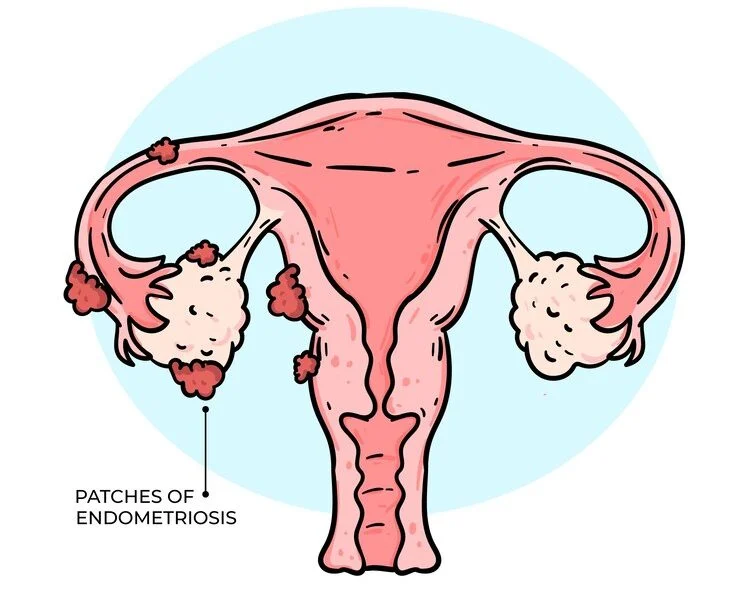
It often affects the ovaries, fallopian tubes, and the tissue lining the pelvis. Occasionally it can be found beyond the areas where pelvic organs are located like in the thoracic cavity or kidney.
Endometrial tissue acts as a lining inside the uterus world, and it’s bound to thicken, break down and bleed with each menstrual cycle but when it grows in places it doesn’t belong, it breaks down but has no outlet and so it remains in the body.
When it involves the ovaries, cysts called endometriomas are formed. Surrounding tissues become affected and may form scar tissue. Adhesions, bands of fiber tissue, may also form. These can cause pelvic tissues and organs to stick to each other.
Endometriosis also occurs to a limited number of menstruating mammals. Lesions that suggest presence of the disease can be found on ovaries, fallopian tubes, peritoneal intestines, bladder, and diaphragm. They may also be found in other parts of the body like lungs and kidney.
Symptoms include painful periods, painful urination, pain during sexual intercourse, and infertility. Nearly half of the affected individuals have chronic pelvic pain while 70% feel pain during menstruation. Half of the affected are also mostly infertile. About 25% exhibit no symptoms while 85% of those checked and ascertained to be infertile feel no pain.
It has both social and psychological effects, but early treatment helps take charge of the condition and its complications.
History
Endometriosis was first discovered microscopically by Karl von Rokitansky in 1860, although the earliest antecedents may have stemmed from concepts published almost 4,000 years ago. The Hippocratic Corpus outlines symptoms similar to endometriosis including uterine ulcers, adhesions, and infertility.
Historically, such symptoms were treated with leeches, straitjackets, bloodletting, chemical douches, genital mutilation, surgical intervention, and even killing due to suspicion of demonic possession. Initially, Hippocratic doctors treated chronic pelvic pain as a true disorder 2 500 years ago, but later on, during the Middle Ages, the symptoms of chronic pelvic pain were attributed to madness, female weakness, promiscuity or hysteria, misbehavior or immorality ,or simply imagining the pain hence pretense. The historical l diagnosis of hysteria may as well have been endometriosis. That relation to mental illness influenced modern attitudes that make diagnosis delay and indifference to patients true pain throughout the 20th and 21st century.
Hippocratic doctors believed that delaying childbearing could trigger diseases of the uterus, which caused endometriosis-like symptoms. Women with dysmenorrhea were encouraged to marry and have children at a relatively early age. If indeed this disorder was so common historically due to the Hippocratic’s’ recommendation of changes in marriage practices, then it may point away from modern theories that suggest links between endometriosis and dioxins, PCBs, and chemicals.
Early treatment was surgical and included oophorectomy(removal of ovaries) and hysterectomy (removal of uterus). In the 1940s, the only available hormonal therapies for endometriosis were high dose testosterone and high dose estrogen therapy. High dose estrogen therapy was first reported by Karnaky in 1948 and was the main pharmacological treatment for the condition in the early 1950s.
Pseudopregnancy (high dose estrogen-progestogen therapy) was first described by Kistner in the late 1950s. Pseudopregnancy and progestogen monotherapy dominated the treatment in the 1960s and 1970s, though the side effects were immense. Danazol was first described in 1971 and became the main therapy in the 1970s and 1980s. In the 1980s, GnRH agonists gained prominence and became the most widely used therapy in the 1990s. Oral GnRH antagonists such as elagolix were introduced for treatment of endometriosis in 2018.
There are ethnic variations in endometriosis. It’s more common in East Asia and Southeast Asia than in whites. Risk factors involve having a family history of the condition.
One estimate is that 10.8 million people are affected globally while other sources estimate that 6-10% of general females have endometriosis. The estimate puts into consideration the people who don’t exhibit symptoms (asymptomatic) and estimates that group to add up to 2-11%. MRI can detect 11% with undiagnosed endometriosis. Endometriosis is most common in women in their 30s and 40s but can begin as early as 8 years. It results in a few deaths with an unadjusted and age-standardized death rate of 0.1 and 0.0 pet 100,000.
Endometriosis was first determined to be a separate disease and on its own in 1920. Before that, endometriosis and adenomyosis were considered as one.
It mainly affects pre-adults from pre-menarche regardless of race or ethnicity and is estimated to affect over 190 million women in their reproductive years. There are, however, isolated cases of postmenopausal endometriosis and also cases of girls before they reach menarche.
Society and Culture
Economic Burden
Endometriosis is a chronic disease that has direct and indirect costs which include loss of work days, direct cost of treatment, symptom management, and treatment of other associated conditions like depression and chronic pain. One factor which seems to be associated with high costs is the delay between onset of symptoms and diagnosis. Costs vary greatly between countries. Healthcare costs and losses in productivity pose major economic burdens. A Swedish study of 400 patients found that endometriosis- based absence from work at 32% while 36% reported reduced time at work. Puerto Rican women were found to have disrupted daily lives due to endometriosis- related and co-existing symptoms. Majority of women (85%) experienced a decrease in the quality of work, 20% unable to work due to pain while two thirds continued to work despite the pain.
Medical Culture
Some barriers that prevent diagnosis and treatment of endometriosis include outdated standards for laparoscopic evaluation, stigma about discussing menstruation and sex, lack of understanding of the disease, primary physicians lack of knowledge, and assumptions about typical menstrual pain. It was found out that on average, those later diagnosed with endometriosis waited 2-3 years after the onset of symptoms before seeking treatment, and nearly 3|4 receive a misdiagnosis prior to the correct endometriosis diagnosis. It was also found out that half the general healthcare providers surveyed in a 2013 study were unable to to name three symptoms of endometriosis; a very sad revelation. Health care providers are also likely to dismiss described symptoms as normal menstruation. It’s also natural that younger patients may also feel uncomfortable discussing endometriosis symptoms with a physician.
Race and Ethnicity
Endometriosis is less thoroughly studied among black people and research that has been done is outdated. There also exist racist misconceptions that prevent black people from seeking care. The miscommunication is that black people can endure pain, and so the pretense level is high, among other pan misconceptions. And since pain is the primary symptom of endometriosis, it makes it increasingly possible for doctors to dismiss the pain cries when the patient is black.
Cultural differences among ethnic groups also pose a threat. A study in Puerto Rico in 2020 found that health care and interactions with friends related to discussing endometriosis were affected by stigma. The most common finding was a referral to those in pain caused by endometriosis as ‘changueria’ or ‘changas’ meaning pointless whining and complaining and is often and normally directed at children. It therefore comes out as demeaning to individuals of an adult status.
Stigma
An existing stigma surrounding women’s health, specifically endometriosis, can cause patients not to seek diagnosis, lower quality of healthcare, increased barriers to care and treatment, and negative reception from members of the society. Menstrual stigma significantly contributes to the broader issue of endometriosis stigma creating an interconnected challenge that extends beyond reproductive health.
Widespread awareness campaigns , developments and implementations aimed to multilevel anti-stigma, organizational and structural changes, as well as more qualitative studies of the endometriosis stigma can help to overcome the crisis caused by this phenomenon.
Signs and Symptoms
Pain and infertility are the common symptoms of endometriosis but about 20-25% of individuals with endometriosis don’t experience any symptoms. The pain symptoms are associated with the type of endometrial lesions. Here studies show that 50% of women with typical lesions,10% of women with cystic ovarian lesions, and 5% of women with deep endometriosis do not experience pain.
Pelvic pain – This is a major symptom of endometriosis that ranges from mild to severe cramping or stabbing occurring on both sides of the pelvis. It should be noted that the level of the pain does not necessarily dictate the level or extent of the disease. Most severe pain is witnessed during menstruation. It can start a week before, during, and even a week after menstruation.
Dysmenorrhea- these are painful and disabling cramps during menstruation periods and may get worse over time.
Chronic Pelvic Pain – this is normally accompanied by lower back pain and abdominal pain.
Dyspareunia – this is a condition of painful sexual intercourse.
Dysuria – urinary urgency, frequency, and sometimes pain when urinating.
Mittelschmerz – this is pain that is associated with ovulation.
Bodily Movement Pain- this occurs during exercise, standing, or walking. There are several causes of pain. Endometriosis lesions react to hormonal stimulation and may bleed at the time of menstruation. The blood that accumulates locally needs to be cleared and if it’s not cleared by the lymphatic, circulatory, and immune system, it causes swelling and this triggers inflammation which results in pain.
Another source of pain is organ dislocation which occurs as a result of adhesion whereby organs are bound to each other. The ovaries, the uterus, the oviducts, the peritoneal, and the bladder can be bound together and cause pain that can last not only during menstrual periods but throughout the cycle.
The most severe pain is typically associated with menstruation. Patients with deep disease appear to be more likely to report shooting rectal pains and a feeling of their insides being pulled down, when compared with those patients with superficial endometriosis. Individual pain areas and pain intensity appear to be unrelated to the surgical diagnosis, and also the area of the pain is unrelated to the area of endometriosis.
Endometriosis lesions are capable of developing their own nerve supply which creates a two-way interaction between lesions and the central nervous system, potentially producing a variety of individual differences in pain that can, in some cases, become independent of the disease. It’s thought that nerve fibers and blood vessels grow into endometriosis lesions by a process identified as neuroangiogenesis.
Infertility
About a third of infertility cases in women are associated with endometriosis. Among women with endometriosis, about 40% are infertile. The pathogens of infertility are dependent on the stage of the disease. In the early stage, the hypothesis is that it’s secondary to an inflammatory response that impairs various aspects of conception, whereas in the later stage disease, distorted pelvic anatomy and adhesions play a great part in impairing fertilization.
In some cases, there are no symptoms of endometriosis and people find out that they have the condition when they go for tests of why they don’t get pregnant or after several surgeries.
In some cases, there’s misdiagnosis because the symptoms are more or less the same as those that cause pelvic inflammatory diseases or ovarian cysts. The symptoms can also be confused with irritable bowel syndrome (IBS) which can also happen along with endometriosis.
Other symptoms of endometriosis include excessive bleeding during menstruation, diarrhea or constipation, chronic fatigue, vomiting, migraines, low-grade fevers, and hypoglycemia. It’s also associated with ovarian cancer, brain cancer, and non- Hodgkin’s Lymphoma. It should be noted that endometrial cancer is not as a result of endometriosis.
In rare cases, endometriosis may cause endometrial-like tissues to be found in other parts of the body. Thoracic endometriosis, for example, occurs when endometrial-like tissues implants in the lungs or pleura. Manifestations of such a case include coughing of blood, collapsed lung, or bleeding into the pleural space. Endometriosis may also involve the nearby colon which, though in rare situations, causes partial obstruction that requires emergency surgery.
Complications
The complications that arise from endometriosis are both physical and mental.
Physical Health
- There is bound to be internal scarring, adhesions, pelvic cysts, chocolate cysts of ovaries, ruptured cysts, and bowel and ureter obstruction resulting from pelvic adhesions. Ovarian endometriosis may complicate pregnancy by rupture or abscess. Thoracic endometriosis can be associated with a condition known that is recurrent; thoracic endometriosis syndrome.
- A 20-year study of 20,000 women under 40 with endometriosis found out that they are three times more likely to have heart problems. They also have a higher risk of ectopic pregnancy as well as a higher risk of miscarriage. There is also the increased risk of ante and postpartum hemorrhage and severe pre-eclampsia during pregnancy. It increases chances of getting ovarian, breast , and thyroid cancer and at times, though in rare occasions, can lead to death. It can also negatively impact a woman’s fetus or neonate which increases the risk of congenital malformations, preterm delivery, or higher neonatal death rates
- There’s also the complication of trouble getting pregnant whereby a half of the individuals with endometriosis find it difficult to conceive. Pregnancy occurs when an egg released by the ovary travels through the fallopian tube and is fertilized by a sperm and it later attaches itself to the wall of the uterus to develop. Endometriosis may block the tube hence prevent the egg and the tube from uniting. On other occasions , it causes infertility in a less direct way like damaging the sperm or egg. However, conception and carrying pregnancy to full time is possible with mild to moderate endometriosis. It’s advisable that people with endometriosis conceive relatively early in their lives because complications may come in later stages.
Mental Health
- Women with endometriosis tend to develop depression and anxiety disorders especially due to pelvic pain experienced. It has been demonstrated that pelvic pain normally has significant negative effects on women’s mental health and quality of life in general. Women in this situation report higher levels of anxiety and depression, kids of working ability, limitations in social activities, and in general a poor quality of life.
Risk Factors
Factors that raise the risk of endometriosis include:
Genetics
Endometriosis is a heritable condition influenced by both genetic and environmental factors. There is a genetic disorder of polygenic multifactorial inheritance that’s acquired via affected genes from parents. Low progesterone levels hence hormonal imbalance may be genetic. There are approximately six-fold increased endometriosis incidences in individuals having an affected first degree relative.
Studies attribute 50% risk to genetics and 50% to environmental factors. Proposals are that endometriosis results from a series of multiple hits(multiple different mutations within target genes more or less like in the development of cancer). In this case the mutations may be either somatic or heritable.
Environmental toxins
Some factors associated with endometriosis include:
-Prolonged exposure to naturally synthesized estrogens, for example, from late menopause or early menarche.
-Obstruction of menstruation outflow, like mullerian anomalies.
Potential toxins
Dioxins:
A 2004 human data supporting the dioxin- endometriosis association was scanty and conflicting. A 2009 follow up review also found out that there was insufficient evidence to support the link between dioxin exposure and developing endometriosis.
-Endocrine disrupting chemicals (EDCs): a wider class of hormonally active agents to which dioxin belongs consists of both man made and natural compounds. These include pesticides, bisphenols, and polychlorinated biphenyls (PVBs). Dietary uptake also plays a role in EDC exposure, but exposure can also occur through ingestion of EDC dust and inhalation of its gasses or particles in the air. Though not definitively proven as being causative, bisphenol A(BPA), bisphenol S(BPS), pesticides and PCBs all have a suspected linkage to endometriosis. Most EDCs are lipophilic and so can bioaccumulate in adipose tissue of the body hence increase in concentration.
Vaginal Dysbiosis
There’s growing evidence to show a correlation between an imbalance in the vaginal microbiome and the appearance of endometriosis. This happens due to an immune overload in the context of retrograde menstruation in which it fails to detect and kill cells that are outside of the vaginal environment. This disrupts normal immune functions. Dysbiosis leads to elevated levels of proinflammatory cytokinesis, a compromised immune surveillance system, and altered immune cell profiles. The activation of toll-like receptors in macrophages leads to greater activity of this immune cell type which in turn secrete factors the proliferation and adhesion of endometrial cells.
Other risk factors include low body mass index, higher levels of estrogen in the body or greater exposure to estrogen your body produces, and short menstrual cycles of less than 27 days.
Ectopic Endometrium Formation
The main theories for the formation of the ectopic endometrium like tissues include retrograde menstruation, vascular dissemination of stem cells, coelomic metaplasia, and surgical transplantation.
Retrograde Menstrual Theory
This theory is also called the implantation theory or transportation theory and is the most commonly accepted theory for the dissemination and transformation of ectopic endometrium into endometriosis. It suggests that during menstrual flow, some of the endometrial debris flows backwards through the fallopian tubes and into the peritoneal cavity and attaches itself to the peritoneal surface(the lining of the abdominal cavity). While here it can invade the tissue as endometriosis or transform into endometriosis. It’s not clear at what stage the transformation of endometrium or any cell of origin to endometriosis happens. This blood contains endometrial cells from the inner lining of the uterus which may stick to the walls of the pelvic walls and surfaces of pelvic organs. They may grow and continue to thicken and bleed over the course of each menstrual cycle.
Proofs here are based on retrospective epidemiological studies that an association between endometrial implants attached to the peritoneal cavity, which later develops into peritoneal cavity, which later develops into endometrial lesions and retrograde menstruation and the fact that animals like rodents and non human primates whose endometrium is not shed during menstrual cycle don’t develop natural endometriosis as opposed to that of a natural menstrual cycle like baboons and rhesus monkeys.
Other factors like genetics immunology, stem cell migration, and coelomic metaplasia are supposed to be explored to account for disseminated disease and why individuals with retrograde menstruation are not diagnosed with endometriosis.
Endometriosis sometimes shows up in the brain and lungs and in cisgender men, fetuses, and prepubescent girls.
There are usually immune system changes in people with endometriosis but it’s yet to be established if these contribute to the disorder or are a reaction from it. Researchers are investigating if the immune system may not be able to cope with the cyclic onslaught of retrograde Menstrual fluid. So the relationship between endometriosis and autoimmune diseases, allergic reactions, and the impact of toxic materials is still under watch.
In rare cases where imperforate hymen does not dissolve itself prior to the first menstrual cycle and goes undetected, blood and endometrium are trapped in the uterus until such time when surgical incision is invoked. Its flu-like symptom makes it undetected by healthcare practitioners until after multiple menstrual cycles have passed. By the time it’s diagnosed, endometrium and other fluids would have filled the uterus and fallopian tubes with results that much like those of retrograde Menstruation resulting in endometriosis.
Endometriotic lesions differ in their biochemistry, hormonal response, immunology, and inflammatory response when compared to endometrium.
The theory of retrograde menstruation as a cause of endometriosis was first proposed by John A. Sampson.
Transformed Peritoneal Cells
Experts suggest that hormones or immune factors might help transform cells that line the inner side of the abdomen, called peritoneal cells into cells similar to those that line the inside of the uterus.
Stem Cells
Stem cells may arise from bone marrow and other potential sources. Stem cells may be from local cells such as peritoneal or cells disseminated in the bloodstream and in this case the endometriosis affects remote areas such as the brain and lungs.
Vascular Dissemination
This is a 1927 theory that has been revived with new studies of bone marrow stem cells involved in pathogenesis.
Environment
Environmental toxins such as dioxin tend to bioaccumulate within the human body causing endometriosis. It’s plausible that inflammatory-like environmental chemicals can alter hormonal endometrial and immune cell physiology which allows persistence and development of endometrial tissue within the peritoneal cavity. This is normally cleared by immune system cells.
Mullerianosis
This theory is supported by fetal autopsy whereby cells with the potential of becoming endometrial are laid down in tracts during embryonic development called the female reproductive (mullerian) tract. As it migrates downwards at 8-10 weeks of embryonic life, it could become dislocated from the uterus and act like seeds or stem cells. Also, hormones such as estrogen may transform embryonic cells (cells in early stages of development) into endometrial-like cell growths during puberty.
Coelomic Metaplasia
Coelomic cells are believed to be the common ancestor of endometrial and peritoneal cells and when they undergo metaplasia (transformation), from one type of cell to another, chances of causing endometriosis to exist.
Vasculogenesis
Up to 37% of the microvascular endothelium of ectopic endometrial tissue originates from endothelial progenitor cells, which result in the novo formation of microvessels through the process of vasculogenesis instead of the conventional process of angiogenesis. This prompts the development of endometriosis.
Neural Growth
An increased expression of new nerve fibers is found in endometriosis but does not fully explain the formation of ectopic endometriotic tissue and is also not definitely correlated with the level of pain.
Autoimmune Graves Disease
This is an autoimmune disease characterized by goiter and dermopathy. People with endometriosis have a higher rate of graves disease. Autoimmunity is a potential link between graves disease and endometriosis.
Oxidative Stress
Influx of iron is associated with the local destruction of the peritoneal mesothelium hence the adhesion of ectopic endometriotic cells. Peritoneal iron overboard has been suggested to be caused by the destruction of erythrocytes which contain the iron binding protein hemoglobin or a deficiency in the peritoneal iron metabolic system.
Oxidative stress activity and reactive oxygen species(ROS), for example peroxide levels reported to be higher in people with endometriosis can damage tissues and induce rapid cellular division. There are several cellular pathways by which oxidative stress may lead to or induce proliferation of endometriotic lesions which includes mitogen activated protein(MAP), kinase pathway,and the extracellular signal related kinase (ERK)pathway.
Immune System Condition
A problem with the immune system may make the body unable to recognize and destroy endometriotic tissue.
Surgical Scar Complication
Endometrial cells may attach to scar tissue from a cut made during surgery to the stomach area, for example during cesarean section.
Endometrial cells transport
Blood vessels or tissue fluid systems can also move endometrial cells to other parts of the body.
Localization
Most often endometriosis is found in ovaries, fallopian tubes, tissues that hold the uterus(ligaments), and the outer surface of the uterus.
The other less common pelvic sites include vagina, cervix, and bladder rectum. Rectovaginal or bowel endometriosis affects approximately 5-12% of individuals with endometriosis and can cause severe pain with bowel movements. Scar endometriosis is when endometrial spreads to the cervix and vagina or to sites of a surgical abdominal incision.
Deep Infiltrating Enforcement (DIE) has been defined as presence of endometrial glands and stroma infiltrating more than 5 mm in the subperitoneal tissue. Though mostly associated with severe pain, DIE can also be present without severe pain.
Male Endometriosis
Endometriosis has also been reported in people assigned male gender at birth. Prostate endometriosis has been reported following estrogen therapy for prostate cancer and feminizing therapy. Abdominal endometriosis also occurs in men during cirrhosis.
Extrapelvic Endometriosis
Endometriosis rarely occurs in extrapelvic areas such as lungs, skin, and brain. Scar endometriosis can occur in surgical abdominal incisions. Risk factors for scar endometriosis include previous cesarean section or ectopic pregnancies, laparoscopy, episiotomy, amniocentesis, and hernia repair.
Endometriosis may also be present with skin lesions in cutaneous endometriosis.
Less common lesions can also be found on the diaphragm or lungs. Diaphragmatic endometriosis is a rare occurrence but when it occurs it’s always on the high hemi diaphragm and may inflict the cyclic pain of the right scapula (shoulder ), or cervical area(neck) during the menstrual period.
Pulmonary endometriosis is associated with a thoracic endometriosis syndrome that can include catamenial (during menstruation) pneumothorax which is seen in 73% of women with the syndrome, catamenial hemothorax in 14% , catamenial hemoptysis in 7%, and pulmonary nodules in 6% of the women with the syndrome.
Diagnosis
Diagnosis of endometriosis is usually based on symptoms and medical imaging but biopsy is the surest method of diagnosis. You need to tell your care provider your symptoms, including location of the pelvic pains, which prompts a pelvic exam to follow, then an ultrasound or an MRI is done to get a clearer view of the reproductive organs which include the uterus, ovaries, and fallopian tubes. It should be noted that Endometriosis shares the same symptoms with pelvic inflammatory disease, irritable bowel syndrome, interstitial cystitis, and fibromyalgia, which makes misdiagnosis a common occurrence.
During diagnosis by laparoscopy, the patient is put under general anesthesia while the doctor inserts a camera in the abdomen through a small incision to evaluate the endometrial like tissues. Any tissue that looks like endometriosis is removed and examined under the microscope to confirm the presence or absence of endometriosis.
In 2005, nearly 11 million women were affected by endometriosis globally. Other sources approximate that up to 10% of the general female population might have endometriosis.
The main cause is exposure to elevated levels of the female sex hormone estrogen and estrogen receptor sensitivity. Estrogen exposure worsens the inflammatory symptoms of endometriosis by stimulating the immune system.
Treatment
There is no cure for endometriosis but measures can be taken to improve symptoms. These measures include pain medication, hormonal treatments, or surgery. The recommended pain medication is usually a non steroidal anti-inflammatory drug(NSAID) such as naproxen. Taking the active component of the birth control pill or using intrauterine devices with progesterone may also prove useful. Gonadotropin releasing hormone( GnRH) agonists can improve fertility to those with fertility problems. Surgical removal of Endometriosis can be used to treat where all the other treatments have failed.
Sometimes treatment is based on controlling the rise and fall of estrogen and progesterone in the menstrual cycle.
Surgery is considered to removal the whole component because in endometriosis, the endometrial like tissues acts the same way as endometrial tissue would;thickens, breaks down, and bleeds with each menstrual cycle but gets trapped because it doesn’t have an exit route from the body, hence causing pain.
A health history and physical examination can lead the health practitioner to suspect endometriosis. There is a clear benefit for performing a transvaginal ultrasound (TVUS) as a first step for testing endometriosis. For many patients, there’s significant delays in diagnosis;11.7 years in the U.S,8 years in the UK, and 6.7 years in Norway. A third of the women are said to have contacted the GP 6 or more times before being rightly diagnosed.
The most common sites of Endometriosis are the ovaries, followed by the Douglas pouch, then the posterior layers of the broad ligaments, and sacrouterine ligaments.
Laparoscopy
This is a surgical procedure whereby a camera is used to look inside the abdominal cavity. This is the only way to accurately diagnose the extent and severity of pelvic|abdominal Endometriosis. But it’s limited because it’s not applicable for extra pelvic sites; umbilical, hernia, sacs, abdominal wall, lung, or kidney.
Reviews in 2019 and 2020 suggest that Endometriosis should be classified as a syndrome that requires confirmation of visible lesions seen at laparoscopy in addition to the known characteristic symptoms.
Laparoscopy permits visualization of lesions unless they are visible externally ,for example, an endometrial nodule in the vagina, or if it’s extra abdominal. If the lesions are not visible, a biopsy must be taken to determine diagnosis. Surgery for diagnosis can also allow for surgical treatment at the same time.
During laparoscopic procedure, lesions appear in different colors and vary in size. Some within the pelvic walls may not be visible. Early endometriosis typically occurs on the surfaces of the organs in the pelvic and intra-abdominal areas. They are referred to either as nodules, lesions , or implants.
In most frequent cases, during laparoscopy, no lesions are found in individuals with chronic pelvic pain, a symptom that is common to other disorders like adenomyosis, pelvic adhesions, pelvic inflammatory disease, congenital anomalies of the reproductive tract, and ovarian or tubal masses.
Ultrasound
Vaginal ultrasound can be used to diagnose endometriosis or for localizing endometrium before surgery is performed. It’s capable of identifying the spread in suspicious cases. It’s affordable and easily accessible, it has no contradictions and requires no prior preparations. The ultrasound assessment is extended into the posterior and anterior pelvic compartments and a sonographer is able to assess structural mobility and also look for deep Infiltrating endometriosis nodules.
The problem with ultrasound is that its scope is limited to the pelvis.
Magnetic Resonance Imaging(MRI)
MRI is another means of detecting lesions in a non- invasive manner. It’s rarely used because it’s costly and its availability is limited. Its advantage is it’s sufficiently accurate when detecting endometrioma, the most common form of endometriosis.

All Categories
Recent Posts

Understanding Endometriosis (Part 2)